Tree Care in San Pablo: Local Expert Guide
Servicing the Bay Area for over 20 years
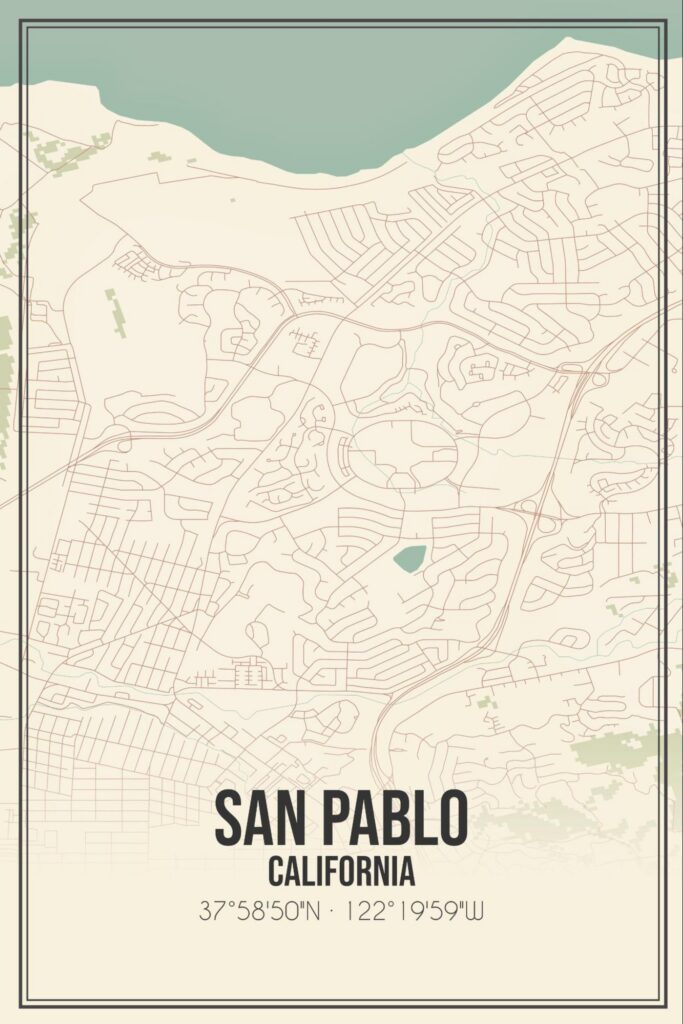
Good tree care in San Pablo comes down to a few things: pruning the right way, catching problems early, and understanding the climate you’re working with. The East Bay throws a specific mix at your trees—coastal winds, clay-heavy soil, and a lineup of oaks and eucalyptus—so the upkeep here isn’t quite like it is elsewhere in California.
Julian Tree Service works with San Pablo homeowners and commercial property managers who’ve noticed a tree that’s aging, overgrown, or damaged, and who want a straight answer before they hire anyone. We’re a licensed, insured local company with certified arborist involvement, and we treat your property the way we’d treat a neighbor’s—not like another line on the schedule.
Key Takeaways
- Proper tree pruning protects tree health and prevents storm-related property damage in the East Bay.
- San Pablo’s clay soil and coastal winds stress oaks, redwoods, and eucalyptus differently.
- Tree trimming cost and tree removal cost vary by size, access, and permit needs.
- San Pablo may require a tree removal permit for protected or heritage trees.
- Always hire a licensed, insured local tree service to avoid liability risk.
Why Tree Care Matters in San Pablo
San Pablo sits in a transition zone where coastal fog, summer heat, and strong afternoon winds off San Pablo Bay all shape how trees grow. Those winds lean on tall, top-heavy trees day after day, and that constant pressure is what leads to broken limbs and, eventually, root failure.
Then there’s the soil. The dense clay around here holds onto water all winter and bakes rock-hard in summer. That back-and-forth is tough on roots, and it’s a big reason steady tree care makes such a difference for long-term stability.
Regular pruning takes some of the load off—it cuts wind resistance, gets rid of weak wood, and keeps the canopy balanced. The International Society of Arboriculture points out that correct pruning is one of the most effective ways to keep a tree structurally sound and healthy.
Common San Pablo Tree Species and Their Needs
Coast live oaks are native and built for drought, but they don’t like summer watering near the trunk, and overwatering opens the door to fungal disease. Careful disease treatment and pruning during the dry season keep them in good shape.
Redwoods are the opposite—they want deep, steady moisture and struggle with San Pablo’s dry summers, so they often need a little extra help. Eucalyptus is its own story: it grows fast, drops bark and limbs constantly, and needs frequent trimming to stay safe around homes and driveways.
Essential Tree Care Services for Local Properties
Most San Pablo properties need a blend of routine and situational work over the course of a year. A tree service worth hiring should be able to handle all of it, from a light shaping job to a full removal.
- Tree pruning to improve structure, airflow, and light penetration
- Tree trimming to control size, clearance, and overgrowth
- Tree removal for dead, dying, or hazardous trees
- Hazardous tree removal near power lines, roofs, and walkways
- Dead tree removal to prevent pest spread and collapse
- Stump grinding to clear space and stop regrowth
- Tree health assessment and tree disease treatment by a trained arborist
Residential Tree Care
Homeowners tend to schedule tree care by season. Late winter is the sweet spot for most pruning, and summer is a good time to check on oaks and clear out deadwood before fire season kicks in.
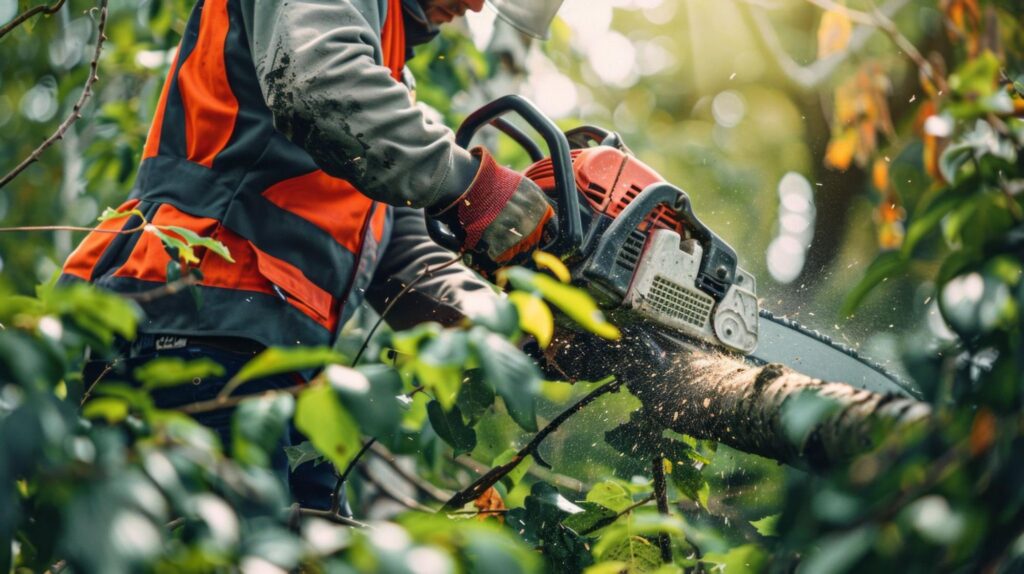
A fair, affordable tree service will tell you what each tree actually needs and pass on work that won’t help. A little maintenance here and there costs a fraction of what you’d pay for emergency repairs down the road.
Commercial Tree Service
Property managers, HOAs, and business owners take on extra liability when trees hang over parking lots, sidewalks, or tenant spaces. A commercial tree service keeps those canopies clear, documents the inspections, and cuts down on the risk of a trip-and-fall or a falling limb.
There’s a curb-appeal angle too. Regular maintenance keeps a property looking sharp, which counts for a lot at retail centers and multifamily buildings around San Pablo.
When to Trim, Prune, or Remove a Tree
Choosing between pruning and removal really depends on the tree’s health, where it stands, and how much risk it poses. Here’s a quick reference to help you think it through before you pick up the phone.
Situation | Recommended Action |
Overgrown branches near a roof | Tree trimming for clearance |
Crossing or weak interior limbs | Structural tree pruning |
Fungus, cavities, or heavy deadwood | Tree health assessment first |
Leaning tree with lifted roots | Hazardous tree removal |
Fully dead trunk and canopy | Dead tree removal |
If you’re not sure whether a tree can bounce back, take a look at our guide on when to repair a tree and when removal is the safer choice. A certified arborist can confirm the safest path forward.
Handling Storm Damage and Fallen Trees
East Bay storm season runs from late fall into early spring, and once that clay soil is saturated, uprooting becomes a lot more likely in high winds. Getting your trees ready before the first big storm goes a long way toward keeping damage down.
If a tree does come down, stay clear of any limbs touching power lines and call your utility first. For the rest of the cleanup steps, check out the East Bay storm survival guide for fallen trees.
Damaged trees usually need a fast professional response, or you risk secondary failures. Emergency tree removal gets your access back and protects the property while conditions are still dicey.
Permits and Choosing a Licensed, Insured Provider
A lot of East Bay cities regulate the removal of protected, native, or heritage trees, so you may need a tree removal permit before any work starts. The rules aren’t the same everywhere, and getting it wrong can mean fines.
Our rundown of East Bay tree removal permits from Oakland to Walnut Creek breaks down how these rules shift from city to city. Before any San Pablo removal, we confirm exactly what’s required.
Licensing is just as important. Hire an uninsured crew and you’re on the hook if someone gets hurt or your property takes damage—which is why it’s worth understanding why tree service companies must be licensed and insured. Falling objects and falls are still among the leading causes of tree-work injuries across the country.
Request a Free Tree Care Assessment from Julian Tree Service
Not sure whether your trees need pruning, treatment, or removal? Julian Tree Service offers a free assessment from a local, licensed team that knows San Pablo’s soil, wind, and species firsthand. Reach out today for honest, neighbor-to-neighbor guidance. Call us at (510) 256-7009.
Frequently Asked Questions
How much does tree trimming cost in San Pablo?
Tree trimming cost typically ranges from about $250 to $1,000 or more, depending on tree size, access, and how much material is removed. Large eucalyptus or trees near power lines cost more due to added labor and safety needs. A free on-site estimate gives you an accurate figure.
Do I need a permit to remove a tree in San Pablo?
You may need a tree removal permit for protected, native, or heritage trees, and rules differ across East Bay cities. Removing certain oaks or large trees without approval can lead to fines. We verify local requirements before starting any removal.
How often should I have my trees professionally inspected?
Most trees benefit from a professional tree health assessment every one to three years, and yearly for large or mature trees near structures. Inspections catch disease, decay, and root problems early. Aim for a check before storm season each fall.
What should I do with a fallen tree after an East Bay storm?
Stay away from any tree touching power lines and report it to your utility immediately. Avoid cutting large limbs yourself, since tension in fallen wood can snap dangerously. Call a licensed tree service for safe removal and cleanup.
How do I know if a tree needs removal or can be saved?
If a tree has a stable trunk, healthy canopy, and treatable issues, pruning or tree disease treatment often saves it. Removal makes sense when there is major decay, a severe lean with lifted roots, or a dead trunk. A certified arborist can confirm which option is safest.
Sources
- International Society of Arboriculture. Pruning Mature Trees.
- U.S. Bureau of Labor Statistics. Fatal Occupational Injuries Involving Trees and Tree Care.