East Bay Tree Removal Permits: Oakland to Walnut Creek
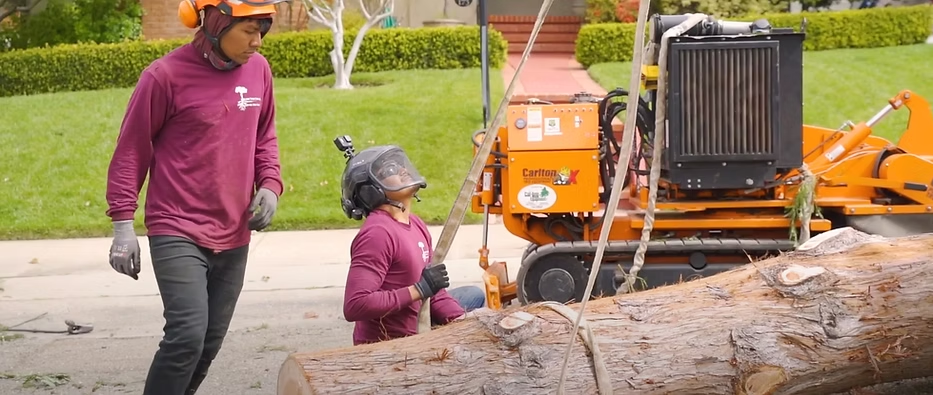
In most East Bay cities, you’ll need a tree removal permit before cutting down a tree that hits a certain size or belongs to a protected species. The rules swing hard from Oakland to Walnut Creek, so a tree you could freely remove in one town might be strictly off-limits just a few miles down the road.
This guide walks through tree removal laws city by city across the East Bay corridor, covering Oakland, Berkeley, Walnut Creek, and the surrounding Contra Costa and Alameda communities. The goal is straightforward: help you avoid fines, make sense of protected-tree rules, and know when it’s worth calling a certified arborist before any work starts.
Key Takeaways
- Most East Bay cities require a tree removal permit for protected or large-diameter trees.
- Coast live oak is a protected tree species in California and heavily regulated locally.
- Fines for tree removal without a permit can reach thousands of dollars per tree.
- Dead or hazardous tree removal may qualify for an emergency exemption.
- A certified arborist assessment strengthens your tree removal application process.
Why You May Need a Tree Removal Permit
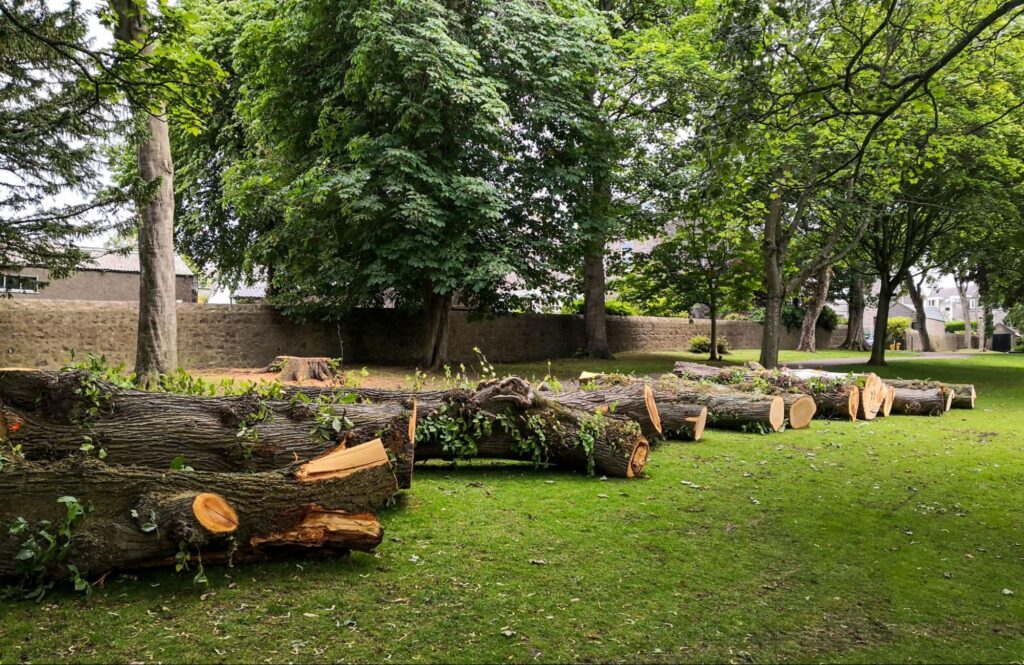
City tree ordinances exist to protect the urban canopy, manage stormwater, hold up property values, and keep heritage trees standing. When you take down a mature tree, you change the shade, air quality, and drainage for the whole neighborhood, not just your yard.
That’s the reason a tree removal ordinance usually calls for review before any cutting happens. And skipping that step isn’t a small gamble. In plenty of East Bay cities, fines for tree removal without a permit can run anywhere from a few hundred to several thousand dollars per tree, on top of mandatory replacement costs.
Knowing your local tree removal laws before you start protects both your wallet and your property.
What Counts as a Protected Tree
A protected or heritage tree is any tree a city ordinance flags for extra protection, usually based on species, trunk size, or where it grows. The most common triggers across the East Bay include:
- Species: Coast live oak is protected in many communities, along with other native oaks, redwoods, and bays.
- Size: Trunk diameter thresholds, often measured at 4.5 feet above ground.
- Location: Trees on slopes, near creeks, or on undeveloped parcels.
Since coast live oak protected status shows up in ordinance after ordinance, always confirm the species before scheduling any removal. If you’re unsure, an East Bay arborist can identify the tree and point out any protection risks.
Tree Removal Rules City by City
Here’s how tree removal rules break down across the East Bay. Always double-check current requirements with your city, since ordinances change over time.
|
City |
Permit Required? |
Protected Species / Size |
Replacement Rule |
|---|---|---|---|
|
Oakland |
Yes, for protected trees |
Coast live oak ≥4″, most others ≥9″ diameter |
Often required |
|
Berkeley |
Yes, on public and many private trees |
Coast live oak and other natives |
Case-by-case |
|
Walnut Creek |
Yes, for protected trees |
Native and large-canopy trees |
1:1 or more |
|
Alameda |
Yes, for street/protected trees |
Heritage trees by size |
Often required |
|
Contra Costa |
Yes, for protected trees |
Native oaks, large trees |
Replacement or fee |
Oakland
The Oakland tree ordinance protects coast live oaks 4 inches in diameter or larger, plus most other species 9 inches or larger, measured at 4.5 feet off the ground. A tree removal permit application goes through the city’s Tree Services division.
For tree removal Oakland projects, the city may make replacement planting a condition of approval. City of Oakland Tree Services staff review each request on its own merits.
Berkeley
Berkeley regulates the removal of coast live oaks and other native species, and a Berkeley tree removal permit is generally required for city-owned trees as well as many private protected ones. The city’s coast live oak protections rank among the strictest in Alameda County.
Applications go through Berkeley’s Public Works or Planning departments, depending on where the tree sits.
Walnut Creek
Walnut Creek and the surrounding Contra Costa communities enforce tree preservation ordinances covering native and large-canopy trees. A Walnut Creek tree removal permit often comes with a replacement requirement, usually replanting one or more trees for each one you take down.
Contra Costa tree removal on unincorporated parcels follows Contra Costa County rules, which may call for a replacement or an in-lieu fee. Confirm the current Alameda County tree rules or Contra Costa requirements before you begin.
How to Apply for a Tree Removal Permit
The tree removal application process is pretty simple once you know the steps. Here’s how to get a tree removal permit in the East Bay:
- Check your city ordinance to confirm whether the tree is protected by size or species.
- Hire a certified arborist to assess the tree, document its condition, and identify protection status.
- Submit the application to the correct city department, with the arborist report and site details.
- Meet any replacement conditions, such as planting new trees or paying a replanting fee.
- Schedule removal only after written approval arrives.
Not sure removal is even the right call? Review when to repair a tree and when removal is the safer choice first.
Emergency and Hazardous Tree Exemptions
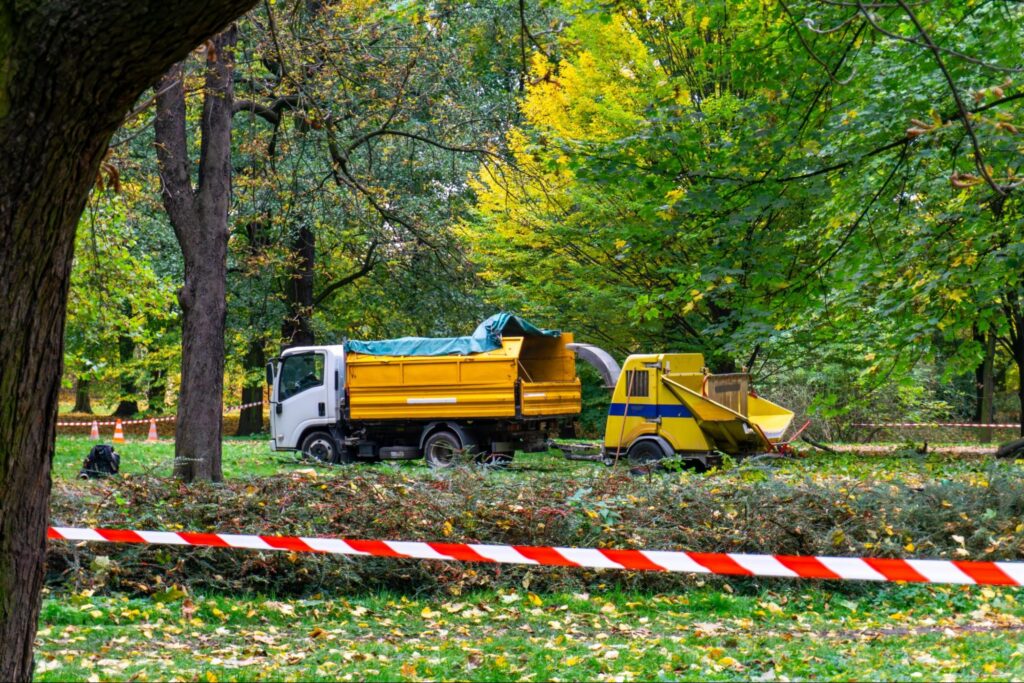
Most East Bay cities allow a hazardous tree exemption when a tree poses an immediate safety threat. If a tree is dead, structurally failing, or blocking access after a storm, emergency tree removal may go forward with expedited or after-the-fact permitting.
Documentation still matters, though. Take photos, hang on to the arborist’s hazard assessment, and notify the city promptly to back up an emergency tree removal permit. For storm situations specifically, our guide on how to handle fallen trees after an East Bay storm walks through the right first moves.
Permitting rules for removing a dead tree still vary from city to city, so confirm before you cut.
Contact Julian Tree Care for a Free Consultation and Help Navigating Your City's Tree Removal Permit Process
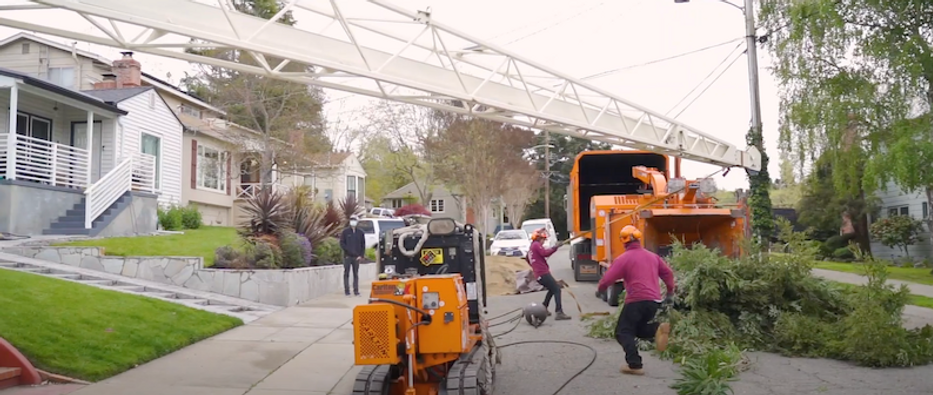
Confused about your city’s tree removal ordinance or worried about fines? Contact Julian Tree Care today for a free consultation. Our certified arborists will assess your tree, explain your local rules, and manage the entire tree removal permit process from start to finish.
Frequently Asked Questions
Do I need a permit to remove a tree on my own property in the East Bay?
Often, yes. Many East Bay cities require a tree removal permit for protected species or trees above a set trunk diameter, even on private property. Property line tree removal can also involve shared ownership rules, so confirm with your city before scheduling any tree cutting.
How do I get a tree removal permit in Oakland?
Apply through Oakland’s Tree Services division with details about the tree and, ideally, a certified arborist report. The Oakland tree ordinance protects coast live oaks 4 inches or larger and most other species 9 inches or larger. Approval may include a tree replacement requirement.
Which trees are protected in Berkeley and Walnut Creek?
Berkeley protects coast live oaks and other native trees, requiring a Berkeley tree removal permit for many of them. Walnut Creek protects native and large-canopy trees under its preservation ordinance, and a Walnut Creek tree removal permit usually comes with replacement planting conditions.
Can I remove a dead or hazardous tree without a permit?
Sometimes. A hazardous tree exemption may apply when a tree is dead or poses an immediate danger, and emergency tree removal is often expedited. You still need documentation, such as photos and an arborist assessment, so notify your city promptly.
How much does a tree removal permit cost and how long does it take?
The cost of a tree removal permit ranges widely by city, from modest processing fees to a few hundred dollars, separate from tree removal cost itself. Timelines run from a few days for simple cases to several weeks when protected trees require full review.