The East Bay Storm Survival Guide: How To Handle Fallen Trees
Strong winter storms are part of life in the East Bay. Heavy rain, saturated soil, strong wind gusts, and aging trees can quickly create dangerous situations for homeowners across Berkeley, Oakland, Albany, El Cerrito, Richmond, and surrounding communities.
Fallen trees and large branches can damage roofs, block roadways, crush vehicles, and bring down power lines with little warning. Storm-related tree damage can happen fast, especially during periods of intense wind and rain.
Knowing how to respond safely can help protect your home, reduce additional damage, and keep your family out of harm’s way.
What To Do When a Tree Hits Your Roof or Power Lines
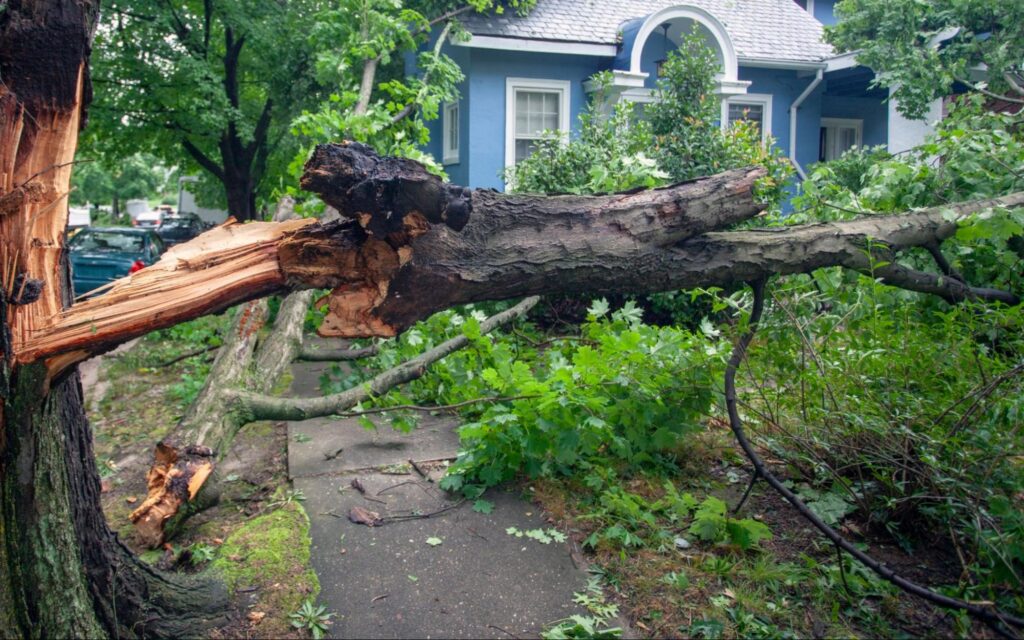
When a tree falls during a storm, many homeowners are unsure what to do first. Panic, confusion, and rushed decisions can make an already dangerous situation even worse. Downed power lines, unstable branches, and hidden structural damage all create serious safety risks.
This guide explains the most important steps East Bay homeowners should take after storm-related tree damage, including what to do when a tree hits your roof or power lines, how to stay safe during the emergency, and when to call a professional emergency tree service.
The First Thing To Do: Prioritize Safety
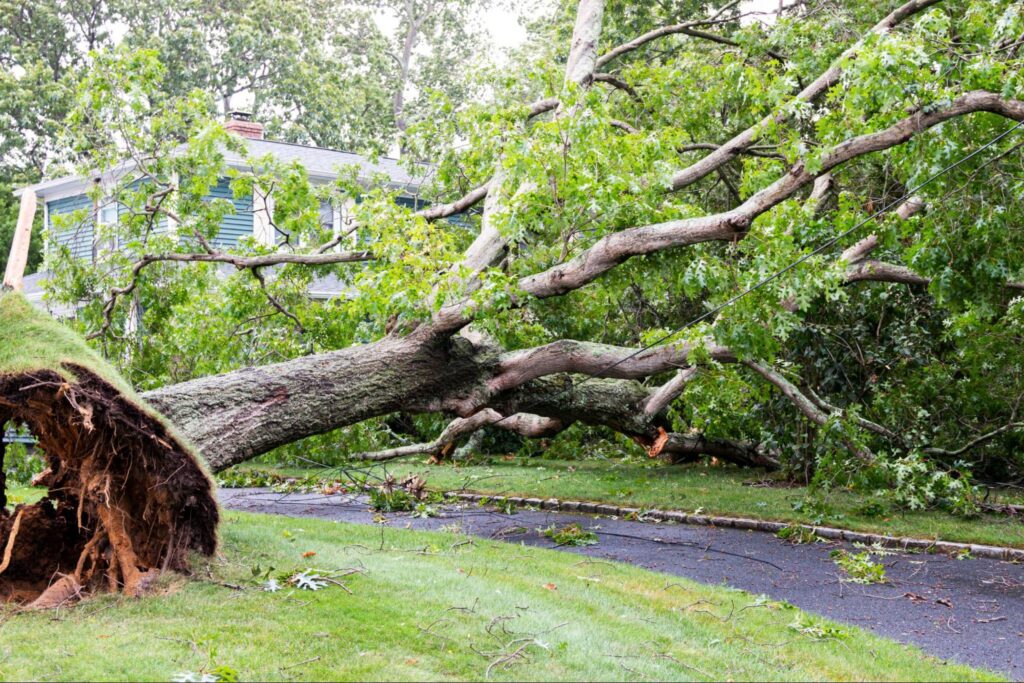
If a tree hits your home or nearby power lines during a storm, safety must come before storm cleanup or tree services. Do not rush outside immediately after hearing a crash. Fallen limbs, unstable trees, broken electrical lines, and hidden structural damage can create serious hazards.
Stay Calm and Assess the Situation
Check everyone inside the home for injuries. If anyone is hurt or trapped, call 911 immediately. If the tree caused major structural damage, leave the building if it is safe to do so.
Watch for:
- Cracked walls or ceilings
- Sagging roofs
- Water entering the home
- Smelling gas
- Sparking electrical wires
- Smoke or burning odors
If the structure appears unsafe, evacuate and move to a secure location away from the damaged area. Warning signs can include cracked walls, sagging ceilings, water intrusion, burning smells, sparking wires, or the smell of gas.
What To Do If a Tree Hits Power Lines
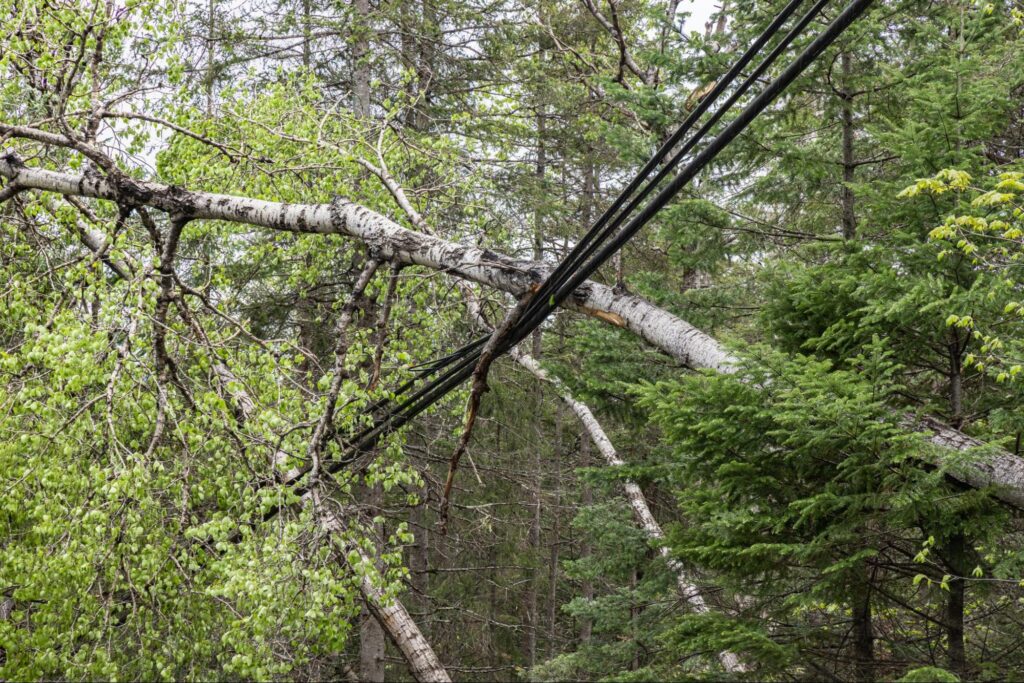
A tree touching power lines is one of the most dangerous storm situations a homeowner can face. Never approach the tree or attempt to move branches yourself. This is because even if the power appears to be out, the lines may still be energized.
If a tree falls on power lines, stay at least 35 feet away from the area and keep children and pets clear of the danger zone. Never touch nearby fences, puddles, vehicles, or metal objects because electricity can travel through surrounding materials.
Contact 911 if there is immediate danger and notify your utility company right away.
What To Do If a Tree Falls on Your Roof
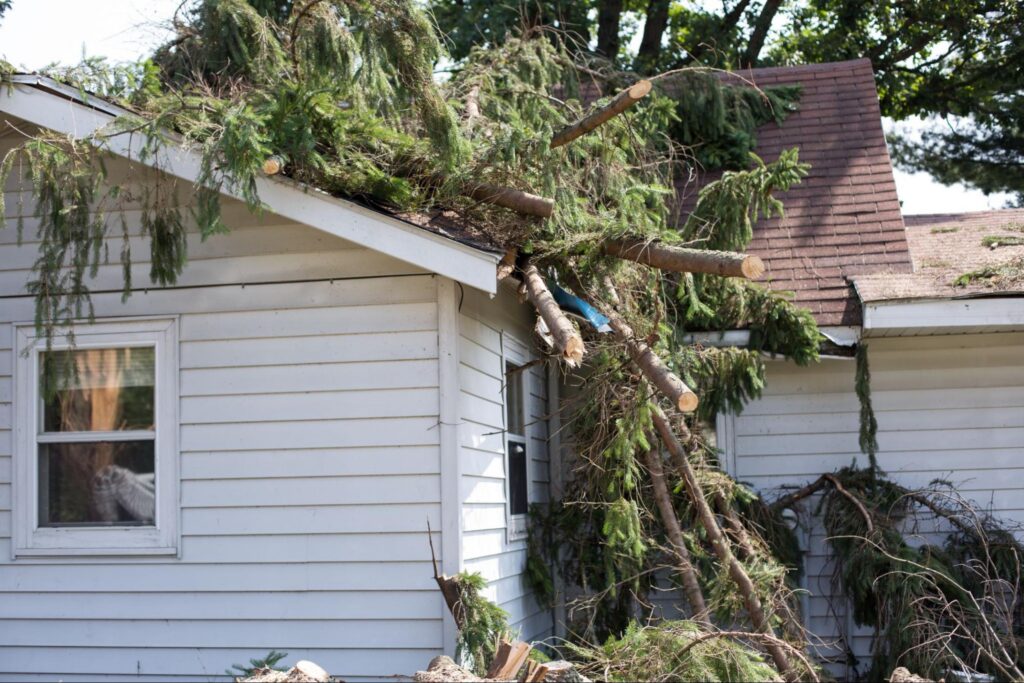
When a tree lands on a roof, there may be damage you cannot immediately see. Even smaller branches can compromise roofing materials, insulation, gutters, chimneys, or structural supports.
Do not attempt to inspect the roof yourself during the storm. Wet roofing materials, unstable limbs, and hidden structural damage can create dangerous conditions that may not be immediately visible.
Instead, remain inside a safe area of the home if possible and use flashlights rather than candles if the power is out. Then, place buckets under active leaks to reduce water damage and take photos from a safe distance for insurance documentation.
Finally, contact an emergency tree service immediately so professionals can assess the situation safely. Professional crews can assess the tree, stabilize hazardous limbs, and coordinate removal without causing additional structural damage.
Why DIY Tree Removal After Storms Is Extremely Dangerous
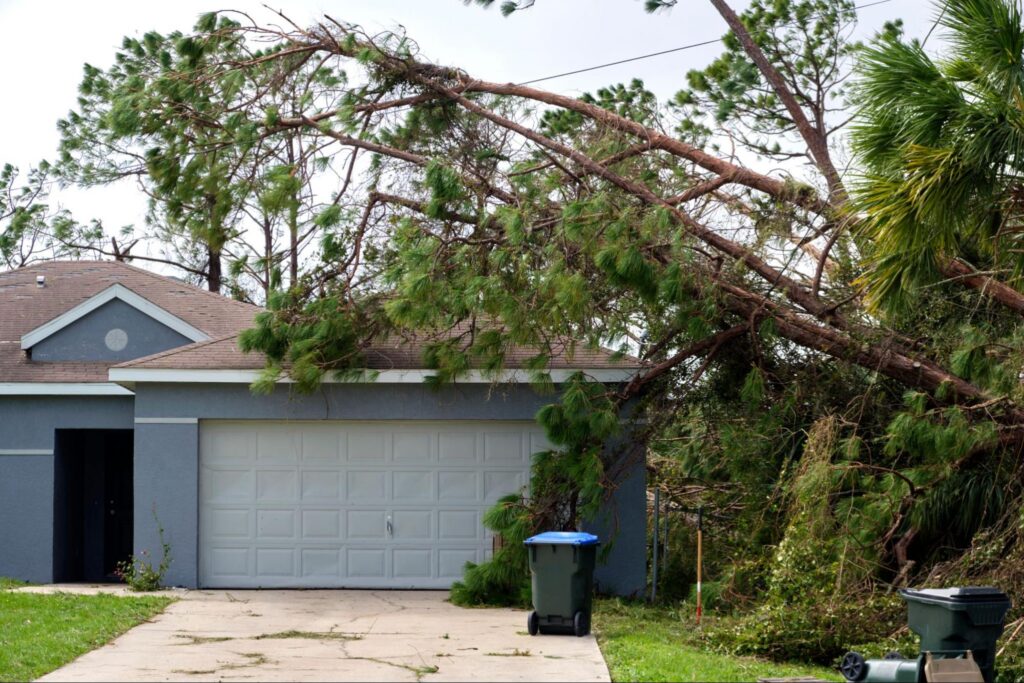
After a storm, many homeowners consider cutting branches themselves to save money or clear access quickly. This can be extremely dangerous because storm-damaged trees behave unpredictably.
Professional tree care is not just about cutting branches. It is about preserving property value, protecting surrounding structures, and ensuring long-term landscape health.
Branches may be under tension, partially broken, or supporting additional weight from roofs, fences, or utility lines. Because of this, using chainsaws without proper equipment and training can lead to severe injuries.
DIY storm cleanup also increases the risk of:
- Electrocution
- Falls
- Property damage
- Structural collapse
- Flying debris injuries
- Improper cutting that worsens instability
Emergency tree professionals use specialized equipment, rigging systems, safety gear, and controlled removal techniques designed specifically for hazardous storm situations.
How Emergency Tree Services Help During East Bay Storms
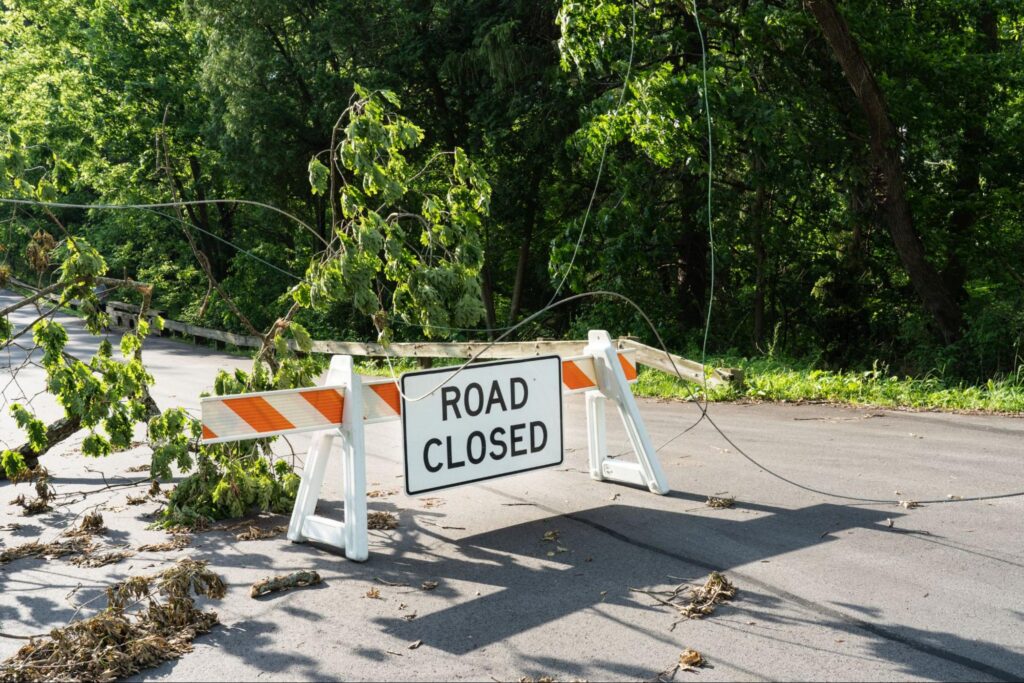
Professional emergency tree services play a critical role in protecting homes and restoring safety after severe weather. An experienced emergency crew can assess immediate hazards, remove fallen trees safely, clear blocked access points, coordinate around utility lines, and stabilize damaged trees before additional structural damage occurs.
Professional crews also handle dangerous hanging limbs and storm debris cleanup that would otherwise place homeowners at risk. Fast response times are also especially important when trees are actively damaging roofs, threatening structures, or blocking emergency access. Professionals are able to address these issues quickly and safely.
What To Expect During Emergency Tree Removal
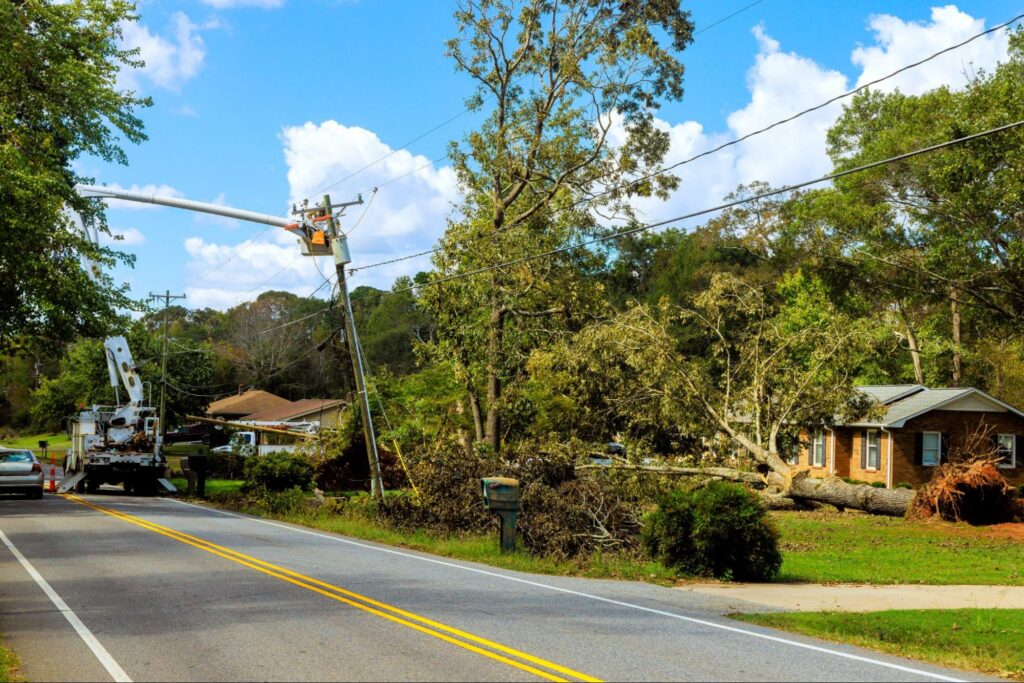
Many homeowners have never needed emergency tree service before and are unsure what the process looks like. The first priority is always stabilizing dangerous conditions.
Emergency crews typically begin by:
- Inspecting the damage and identifying hazards
- Securing the work zone
- Coordinating with utility providers if power lines are involved
- Removing unstable limbs first
- Carefully dismantling sections of the tree
- Clearing debris from structures and access areas
- Evaluating whether additional tree work is needed
In some cases, cranes or specialized rigging equipment may be required to safely remove large trees from homes.
Preventing Future Storm Damage
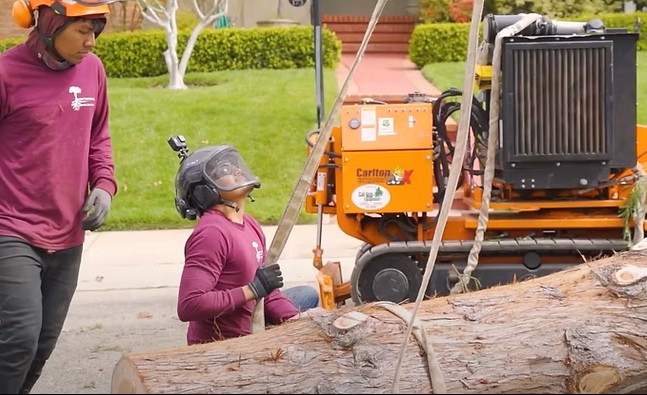
While no property is completely storm-proof, preventative tree maintenance can significantly reduce the risk of serious damage. Routine inspections and pruning help identify weak branches, structural defects, decay, and hazardous growth patterns before storms arrive.
Preventative Tree Care Tips
Homeowners in the East Bay should schedule regular tree inspections, remove dead or weakened limbs, and monitor leaning or unstable trees before storm season arrives. Crown thinning can help reduce wind resistance, while trimming branches away from roofs and power lines lowers the chances of severe storm damage.
Keep in mind, proactive maintenance often costs far less than emergency storm cleanup and structural repairs.
Emergency Tree Services for East Bay Storm Damage
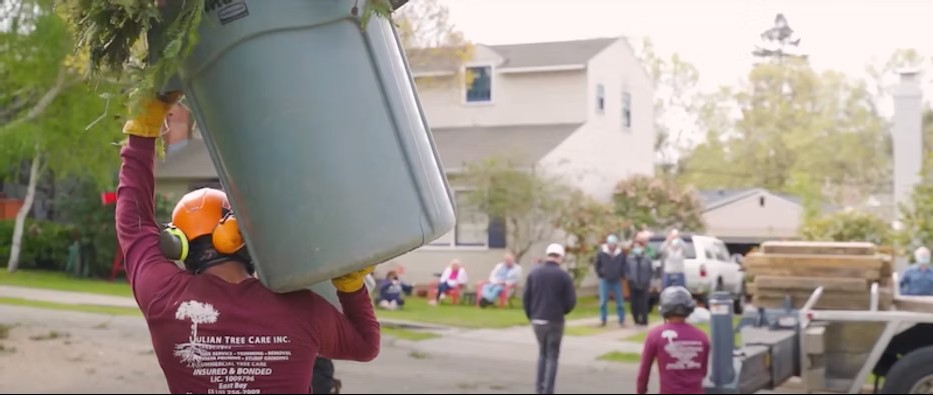
Storm damage situations require fast action, specialized equipment, and experienced professionals who understand how to safely manage hazardous trees. Julian Tree Care provides urgent tree services throughout Berkeley and the East Bay, helping homeowners respond quickly when storms cause dangerous tree damage.
If a storm-damaged tree threatens your property or safety, contact Julian Tree Care for prompt tree service emergency assistance in the East Bay.